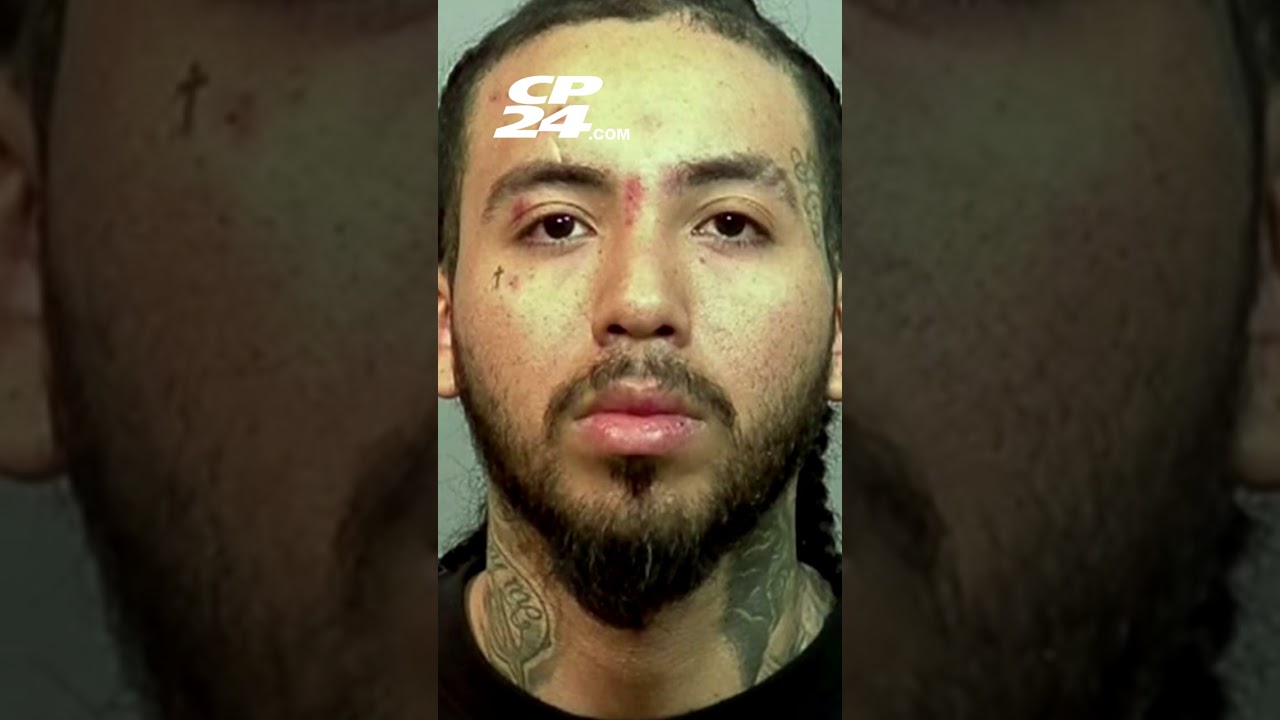
Arrest of Canada’s Most Wanted: Brian Homates Gramajo Captured in Montreal
In a significant development in a high-profile criminal case, Montreal police have arrested 24-year-old Brian Homates Gramajo, who was listed as Canada’s most wanted fugitive in connection to a fatal shooting last summer. The arrest occurred early this morning at approximately 2:40 AM. Officers successfully located Gramajo after an extensive manhunt that spanned several months, sparked by the brutal shooting of 28-year-old Kashif Jamaal Bentley-Jean.
The incident took place in the parking lot of Yorkdale Shopping Centre last July, a location typically associated with bustling consumer activity and high foot traffic. The violence that erupted that day shocked the community and brought a wave of concern regarding safety in public spaces.
In the wake of the tragedy, a reward of up to $100,000 was announced for any information leading to Gramajo’s arrest. The lure of the substantial reward highlighted not only the severity of the crime but also the desperation of law enforcement agencies to bring the perpetrator to justice. Gramajo became synonymous with the chilling reminder that unresolved cases can linger in the public consciousness, evoking both fear and apprehension.
Following his designation as Canada’s most wanted fugitive in October, Gramajo topped a list of 25 suspects, underscoring the urgency with which law enforcement sought his capture. Through a series of investigations, community tips, and the tireless work of various police departments, the manhunt gained significant traction. Citizens across Canada were alerted to the situation, fostering a sense of collective responsibility to aid in the capture of a suspect deemed dangerous to society.
The legal implications of Gramajo’s arrest are profound. Charging him with first-degree murder, prosecutors must now prepare to navigate the complexities of the judicial system. First-degree murder carries severe penalties in Canada, often leading to life imprisonment. The gravity of the charge reflects the violent nature of the crime, which left Bentley-Jean’s family and friends grappling with loss and disbelief.
Details surrounding the shooting remain scant, yet the circumstances evoke questions about gang involvement and personal vendettas. Such incidents often reverberate throughout communities, raising alarms over escalating violence and the pervasive influence of criminal organizations. Toronto police and various stakeholders must work together to address these issues and foster a sense of security among residents.
Beyond the immediate implications of this case, Gramajo’s capture raises broader concerns about public safety, community trust, and the efficacy of law enforcement strategies. The collaboration between Toronto and Montreal police exemplifies a unified approach to tackling crime, yet it prompts an analysis of systemic issues that facilitate such acts of violence.
While the immediate threat posed by Gramajo appears to have been neutralized, the ripple effects of his alleged actions will linger in the Yorkdale area and throughout Toronto. Community leaders and law enforcement must engage in proactive dialogues aimed at understanding the roots of such violence and implementing strategies to prevent future occurrences.
As the legal proceedings unfold, many will be watching closely. The case against Gramajo serves not only as a cautionary tale regarding gun violence but also as a critical moment for public discourse about crime and safety in urban settings. It’s a reminder that everyone shares responsibility for fostering a safe environment, where peace and security can thrive.
In conclusion, the arrest of Brian Homates Gramajo marks a pivotal moment in the ongoing efforts to combat crime in Canada. The legacy of his alleged actions, intertwined with the broader questions of justice and community safety, is one that will continue to evoke dialogue long after the courtroom proceedings conclude. The community looks to law enforcement not just for justice but for a commitment to long-term solutions that will protect their lives and the lives of future generations.